LENSER DNA Day: From Complaint Mode to Brand Pride
How can pride in one's own brand emerge when the dominant feeling is constantly: "It's never good enough"? The solution: Brand identity as an anchor.
A fraction of customers account for the majority of the work. And often, people in production only hear about what went wrong again. Even with nearly 100% delivery reliability, something always sticks.
But how is pride in one's own brand supposed to emerge when the feeling constantly dominates: "It's never good enough"? The solution:
Brand identity as an anchor
A shared understanding of what constitutes the core of the company. That which connects everyone and makes the company strong. Not self-congratulation, – not self-congratulation, but an honest and substantial assessment based on self-perception and external image:
What do our colleagues appreciate?
What do our best customers and partners appreciate?
With our client LENSER, we did exactly that: worked out the corporate DNA – and brought it to the point together.
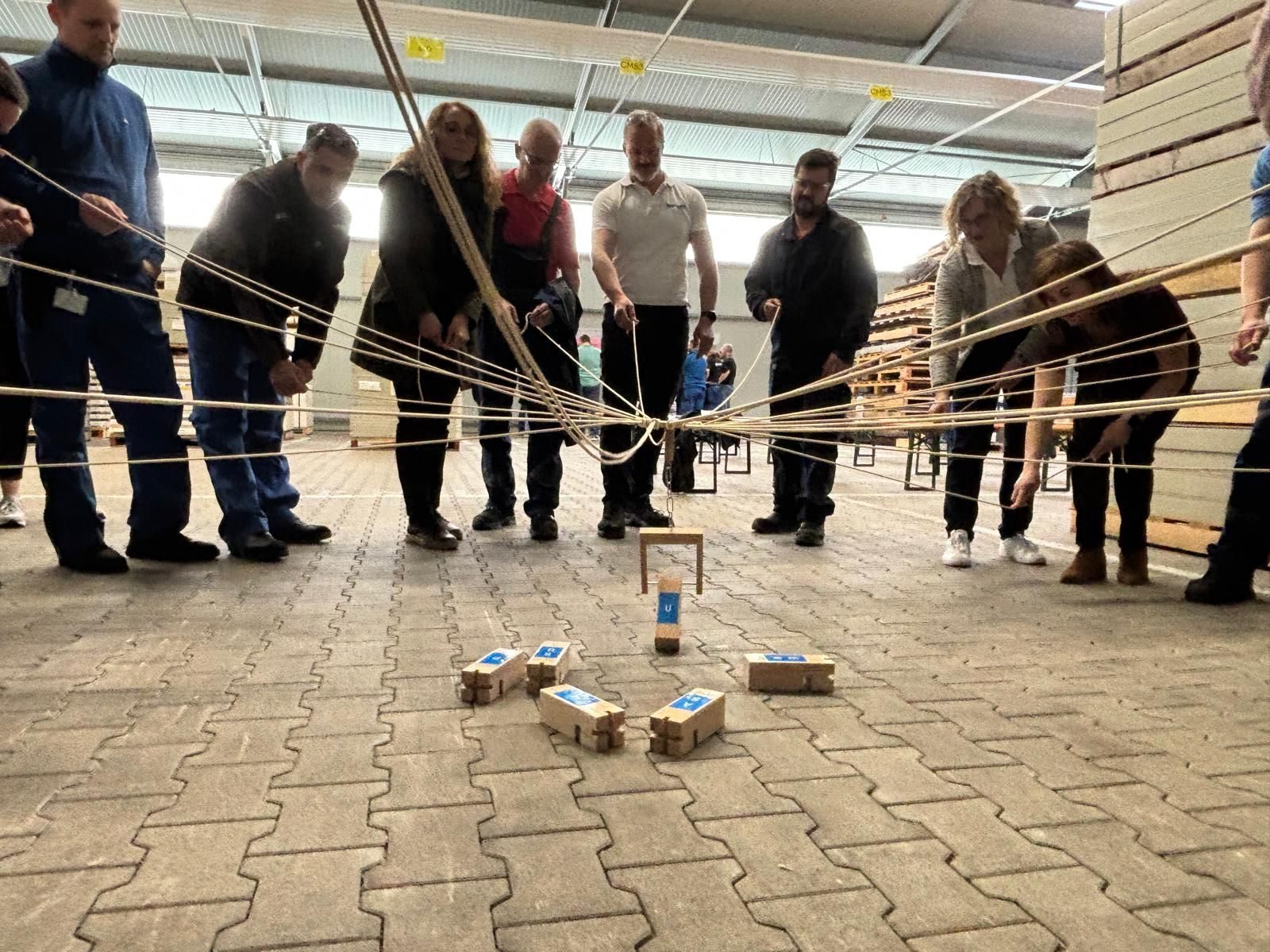
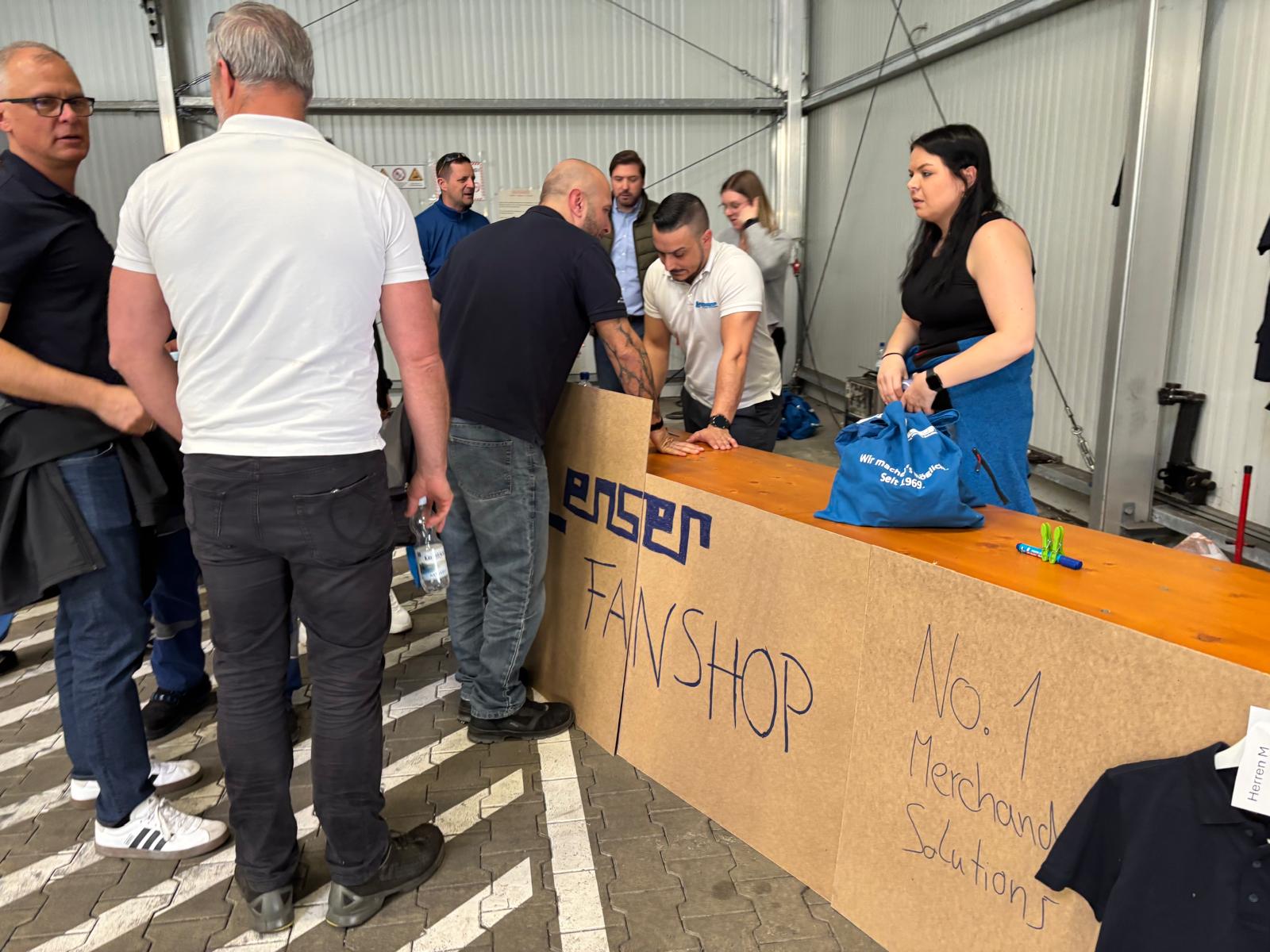
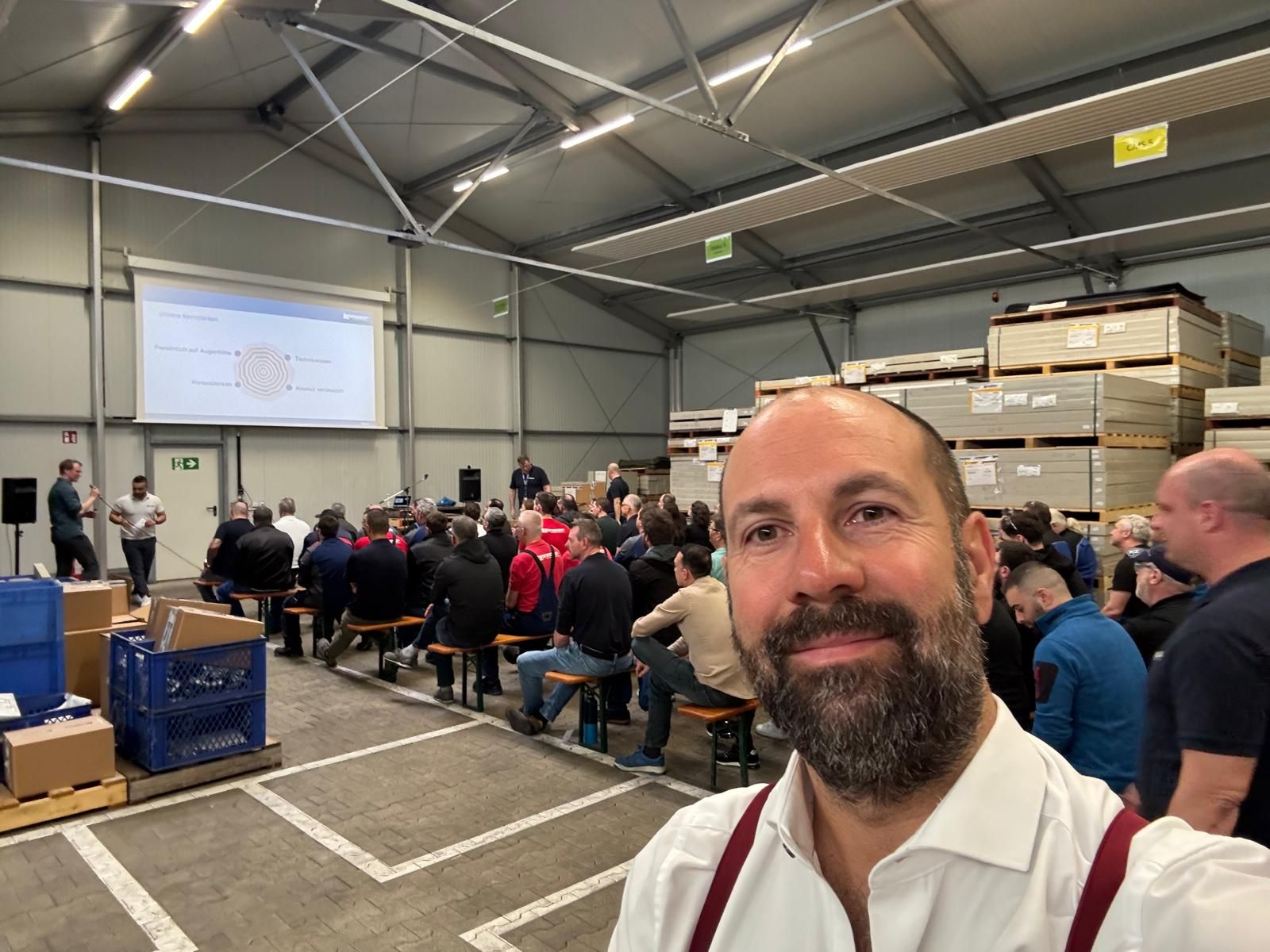
Yesterday, we presented the LENSER DNA to all employees for the first time. Not in a PowerPoint battle, but by making the brand identity tangibly experienceable in a playful way.
The Goals
First get everyone on board internally, then communicate externally.
Involve employees, don't just inform them.
Make the DNA felt in everyday life – not just as text on the website.
Next time customer service comes to production with a problem, no one should feel like nothing is going right anymore. Instead, they should understand: What we do here is valuable. ❗
No one can communicate the DNA of the organization to employees more authentically than an employee.
How a unifying DNA is created across continents: 3 secrets of success
From the center outwards
In our projects, we fundamentally develop the DNA of an organization with an interdisciplinary project team. This includes people from different hierarchical levels. Because for people to identify with the DNA, it must be co-developed by employees from the center of the organization. Crucial for international organizations is to integrate people from all continents. For example, in the form of ID Forums. During the development process at hep, we realized two ID Forums. There, we presented the DNA to selected employees from all branches and gathered specific feedback. This ensured that the DNA works worldwide and is ready for rollout.From colleague to colleague
Brands are made by people and can be communicated most effectively in person. To credibly communicate the developed DNA to colleagues worldwide, it must be presented from within their own ranks. And ideally not in an online meeting or via video. For hep, we organized and conducted a DNA Day for this purpose: an intercontinental event where we - with one consultant and several project members each - were on-site at hep in the USA, Japan, and Germany on the same day. Following the motto "Show, don't tell", we didn't just present the DNA to all employees, but unveiled it. Playfully and at several stations, employees could discover and experience the DNA. The stations were managed by internal hep project members. Because no one can communicate the DNA to colleagues more credibly. This is how we create experiences that last.The world is not enough
DNA development and the global DNA Day have set the ball rolling. But DNA development is a marathon, not a sprint. Now it's about anchoring the DNA in everyday life. Especially in international organizations, there are countless touchpoints and processes. All must be adapted and optimized in line with the DNA - from the homepage to onboarding. For the anchoring to succeed, we recommend establishing the DNA in the leadership culture first. Because as role models, managers must live the DNA. Additionally, we recommend training selected employees to become DNA ambassadors. In this way, these multipliers can actively support the anchoring in the company and act as contact persons for the topic of DNA.
The benefit of DNA development in organizations
Investing in the development of a shared corporate DNA pays off in many ways. A shared DNA promotes employee identification with the organization. It also creates the foundation for effective collaboration and communication, even across cultural boundaries. This is particularly crucial in globally present companies to create and live a harmonized and united brand.
Image source: Spall Identity